
Radioligand Therapy:
A New Era in Targeted Cancer Treatment
By Dr. Loveleen Johri
A New Hope in Cancer Treatment
As cancer research advances, innovative therapies are transforming the way patients are treated. One such breakthrough is Radioligand Therapy (RLT), a form of targeted cancer treatment that combines the precision of molecular targeting with the power of nuclear medicine to attack cancer cells while sparing healthy tissue.
This treatment represents a major step forward in personalized cancer care, offering patients new hope when traditional therapies may not be enough.
What Is Radioligand Therapy?
Unlike chemotherapy, which affects both healthy and cancerous cells, Radioligand Therapy takes a focused, scientific approach.
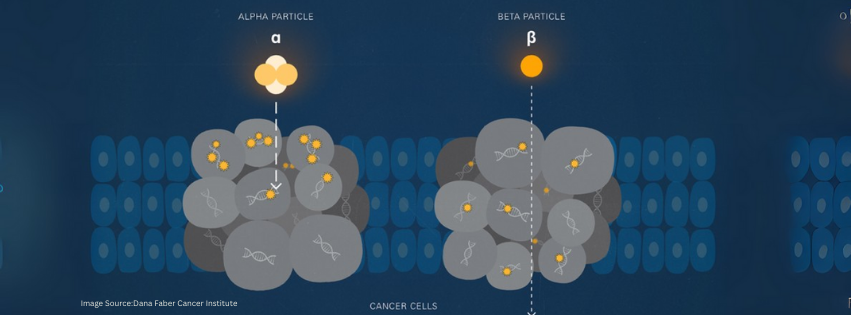
It links a radioactive isotope with a ligand molecule that specifically seeks out cancer cells. Once inside the body, this combination binds to cancer cells and delivers radiation directly to them, precisely targeting tumors while minimizing damage to surrounding healthy tissue.
Think of it as a guided missile in cancer treatment, the ligand finds the target, and the radiation destroys it.
Cancers Treated with Radioligand Therapy
Currently, Radioligand Therapy is approved and used for:
- Prostate cancer (especially those positive for the PSMA marker)
- Neuroendocrine tumors (NETs)
- Thyroid cancer
- Non-Hodgkin lymphoma
Ongoing clinical trials are exploring its potential in other cancers, including kidney cancer and rare tumor types, making it one of the most promising advanced cancer treatments in recent years.
How Radioligand Therapy Differs from Chemotherapy
- Targeted precision: RLT zeroes in on cancer cells, unlike chemotherapy, which affects the entire body.
- Milder side effects: While fatigue or nausea can occur, RLT is generally better tolerated.
- Controlled radioactivity: Patients may follow safety precautions for a few days post-treatment, under expert supervision.
Because it delivers radiation internally and precisely, Radioligand Therapy combines effectiveness with safety, a rare balance in cancer treatment.
Who Is a Candidate for Radioligand Therapy?
Before starting treatment, doctors perform a special diagnostic scan to check if your cancer expresses the specific molecular marker required for RLT.
If the scan shows uptake (often described as the cancer “lighting up”), it indicates the therapy may be effective for you.
This approach is called theranostics (therapy + diagnostics), it helps tailor cancer treatment to your unique biological profile.
Why You Should Consider a Second Medical Opinion
While Radioligand Therapy offers real hope, it’s not suitable for everyone. The decision depends on your cancer type, disease stage, previous treatments, and overall health.
Getting a second medical opinion from cancer experts ensures you fully understand your options and make an informed treatment decision.
A trusted Second Opinion can:
- Confirm your diagnosis and treatment suitability
- Explore advanced options like RLT or targeted therapies
- Prevent unnecessary or ineffective treatments
SECMEDS: Empowering You with Expert Cancer Opinions
At SECMEDS, we connect patients with top oncologists and nuclear medicine specialists who review your case in detail, helping you understand if Radioligand Therapy or other advanced treatments are right for you.
Because when it comes to your health, clarity and confidence can change everything.
Upload your reports, pay securely online, and receive your expert opinion within 3 working days.
Leave a Reply